

Insulation
Insulation
Apex Building Company provides commercial and industrial insulation solutions that improve energy efficiency, provide air barriers, occupant comfort, and long-term building performance. As a full-service Division 7 contractor, we partner with general contractors, architects, developers, and facility managers to install high-quality insulation systems that meet the demands of today’s commercial and industrial construction projects.
Our experienced, in-house installation teams work on projects of every size throughout the Southeastern and Southwestern United States. Whether you’re constructing a manufacturing facility, data center, healthcare campus, distribution center, educational building, or office complex, we deliver insulation systems designed for long-lasting performance and code compliance.
Spray Foam Insulation Systems
Performance
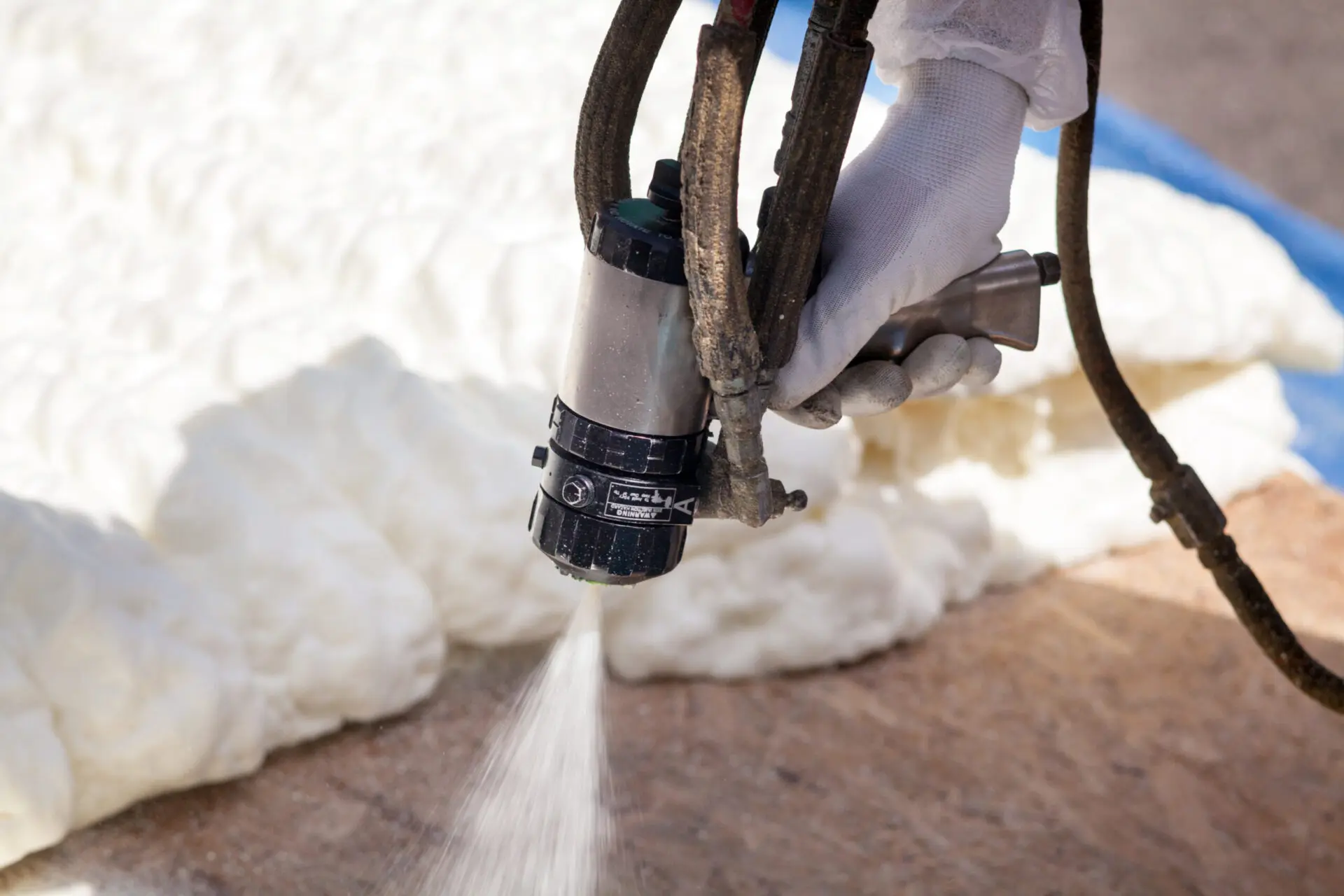
Spray polyurethane foam (SPF) insulation is a two-component application installed using specialized proportioning equipment that heats and sprays the materials under controlled pressure. Once applied, the material rapidly expands to create a continuous, high thermal R-value air barrier before curing into a durable, high-performance insulation system.
Protection
Unlike traditional insulation products, spray foam creates a seamless air barrier that minimizes energy loss while helping control moisture movement throughout the building envelope.
Options
Apex installs both open-cell and closed-cell spray foam insulation systems based on the unique requirements of each project. Our team evaluates the building and application to determine the most effective solution.
Expertise
We work closely with project stakeholders to select insulation systems that align with energy performance, structural needs, and long-term building goals.
Spray Acoustical Insulation
In addition to thermal insulation, Apex Building Company installs spray acoustical insulation for commercial and industrial facilities requiring enhanced sound control. These systems help create quieter, more comfortable environments while supporting the overall performance of the building.
Control
Spray acoustical insulation helps reduce noise transfer between occupied spaces, making it ideal for facilities where sound control is a priority.
Comfort
By minimizing unwanted noise, these systems help improve occupant comfort, privacy, and the overall indoor experience.
Performance
Spray acoustical insulation combines sound dampening capabilities with thermal performance to create more comfortable and functional indoor environments.
Versatility
These systems are well suited for commercial and industrial facilities where operational noise reduction and acoustic control are important considerations.
Frequently Asked Questions
Owners and general contractors ask us the same handful of questions about spray foam insulation — what the material actually is, how open-cell and closed-cell differ, and whether it’s the right fit for a commercial facility. Here are the answers we give most often.